Long-Term Portable Toilet Rentals in California
When a project runs for weeks, months or a whole season, a long-term plan brings predictability to delivery, servicing and pickup.
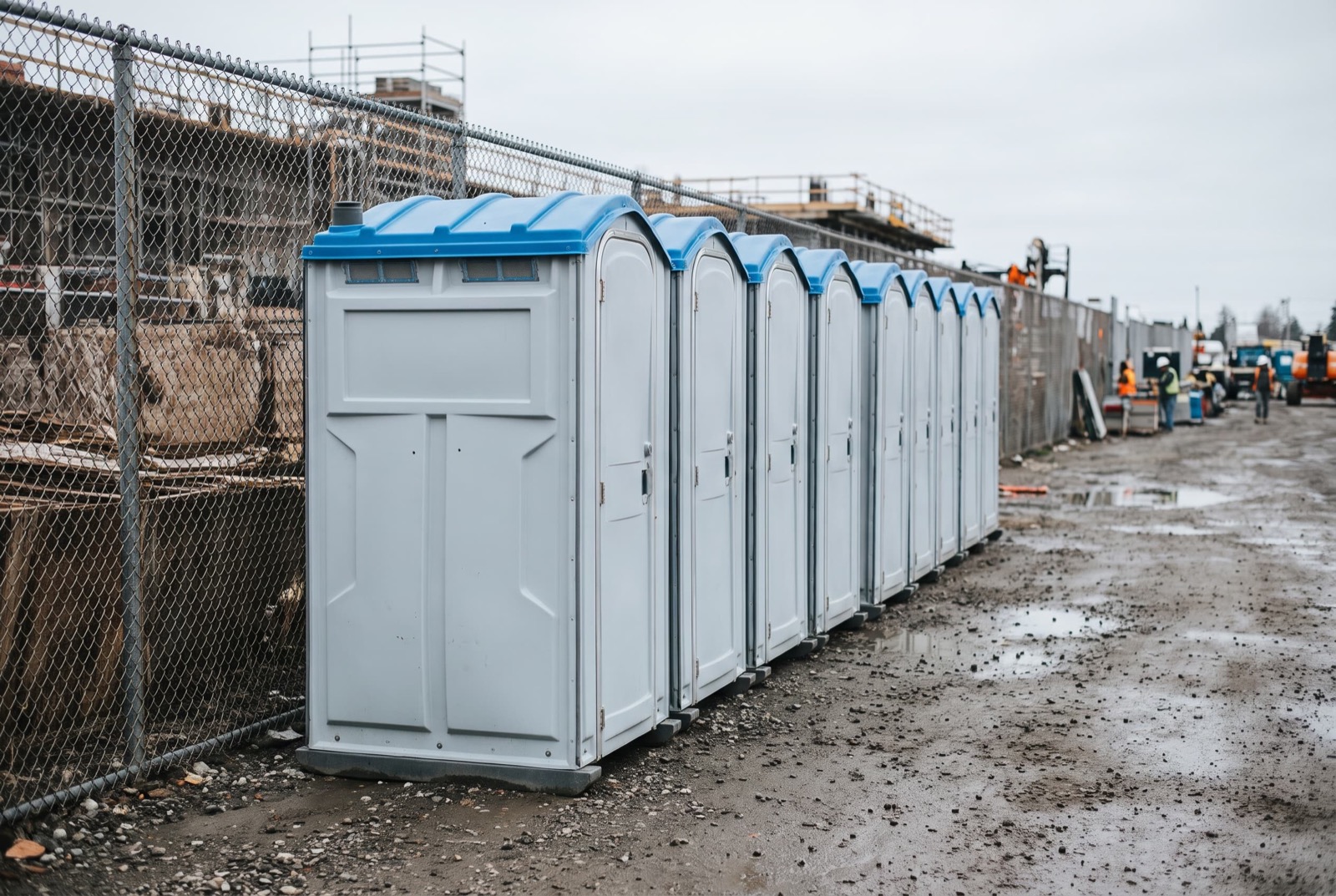
Long-Term Rentals overview
Long-term rentals fit sites that need ongoing sanitation without ongoing logistics. Typical examples include multi-phase construction, agricultural harvest seasons in the Central Valley and along the coast, rebuild projects, seasonal markets, parks and trailheads and industrial sites with temporary crews.
A long-term arrangement combines delivery, a recurring servicing schedule and a pickup plan, either on a set date or open-ended. The aim is to agree on those terms at the start so there are no surprises. Prices and terms are given when you call, not on this site.
Because long jobs change, we also discuss adding or moving units and changing the service frequency as crews grow. See construction rentals and servicing for more.
A few questions are worth asking before the first delivery because they are cheap to answer now and expensive to fix later. How will gate access work for the weekly service truck when nobody is on site? Where will the units move to when the slab pour or paving starts? Who is the one person we should call if a unit is damaged or blocked? On long California jobs, a single named contact and a short written site note, such as the gate code and the preferred approach, prevent most service misses.
Where this fits best
Multi-month builds
Subdivisions, commercial projects and infrastructure.
Seasonal agriculture
Harvest and pruning crews in vineyards, orchards and fields.
Parks, trailheads and public spaces
Ongoing needs that do not suit a one-time drop.
Rebuild and remediation work
Fire, flood and storm recovery that runs for months.
Solar, utility and pipeline corridors
Linear projects that stretch across miles of private and public land and need units staged at intervals.
Vineyard and orchard seasons
Pruning, canopy work and harvest crews whose blocks shift from week to week.
What to consider before you rent
Terms
Ask about minimum terms, extensions and the notice needed for pickup.
Service schedule
Agree on a recurring schedule and how extra visits work.
Site changes
If units will need to move, tell us at the start.
Seasonal swings
Summer heat, winter rain and mountain cold affect how units perform over months.
Who can authorize changes
Decide up front who may add units, request a move or end the rental, so a late-afternoon call from a foreman is not a surprise to the site owner.
Heat illness and shade planning
Employers with outdoor crews should look at Title 8 section 3395 and plan shaded, supplied areas near the units. Verify current requirements with Cal/OSHA.
In California
California conditions to plan for
A long rental in California can cross very different weather: dry heat in summer, storm-season mud in winter, and freezing nights in the mountains. Talk through shade, drainage, freeze protection and service changes when you call so the plan matches the season, and let us know about wildfire-related access limits. In the Central Valley, harvest-season dust and dense tule fog can both slow service trucks, so ask how scheduling adapts. Along the coast, wind and salt air are the bigger wear factors. In the Sierra and high desert, plan how units will be reached when snow closes a pass, and in fire country keep a note on file about evacuation or closure procedures so nobody guesses during an emergency.
Long-Term Rentals: common questions
What counts as long-term?
Anything beyond a few days to a week is usually treated differently from a one-day event. Tell us your expected duration and we will talk through terms.
Can I add units partway through?
Usually, yes. Call us and we will confirm availability.
How is service arranged?
A recurring schedule is set up at the start. See servicing.
What if my project runs past the end date?
Extensions can typically be arranged. Share updates as soon as your timeline shifts.
Can the servicing day change if my crew starts early?
Often yes. Share your shift pattern when you call and we will talk through service timing that avoids work areas and break times.
What happens to a long rental if the site shuts down for weather?
Rain days, smoke days and fire closures happen. Tell us as early as you can, and we will discuss whether to pause, reschedule service or adjust the plan. We cannot promise outcomes, but early notice helps.
Related services
Construction Site Rentals
Sturdy sanitation for job sites, matched to crew size and schedule.
Learn moreCleaning & Pumping Service
Scheduled servicing that keeps long rentals usable.
Learn moreStandard Portable Toilets
A no-frills, self-contained unit for job sites, outdoor events and remote California properties.
Learn moreLocal planning pages
Need long-term rentals in California?
Call and we will confirm what is available for your date.